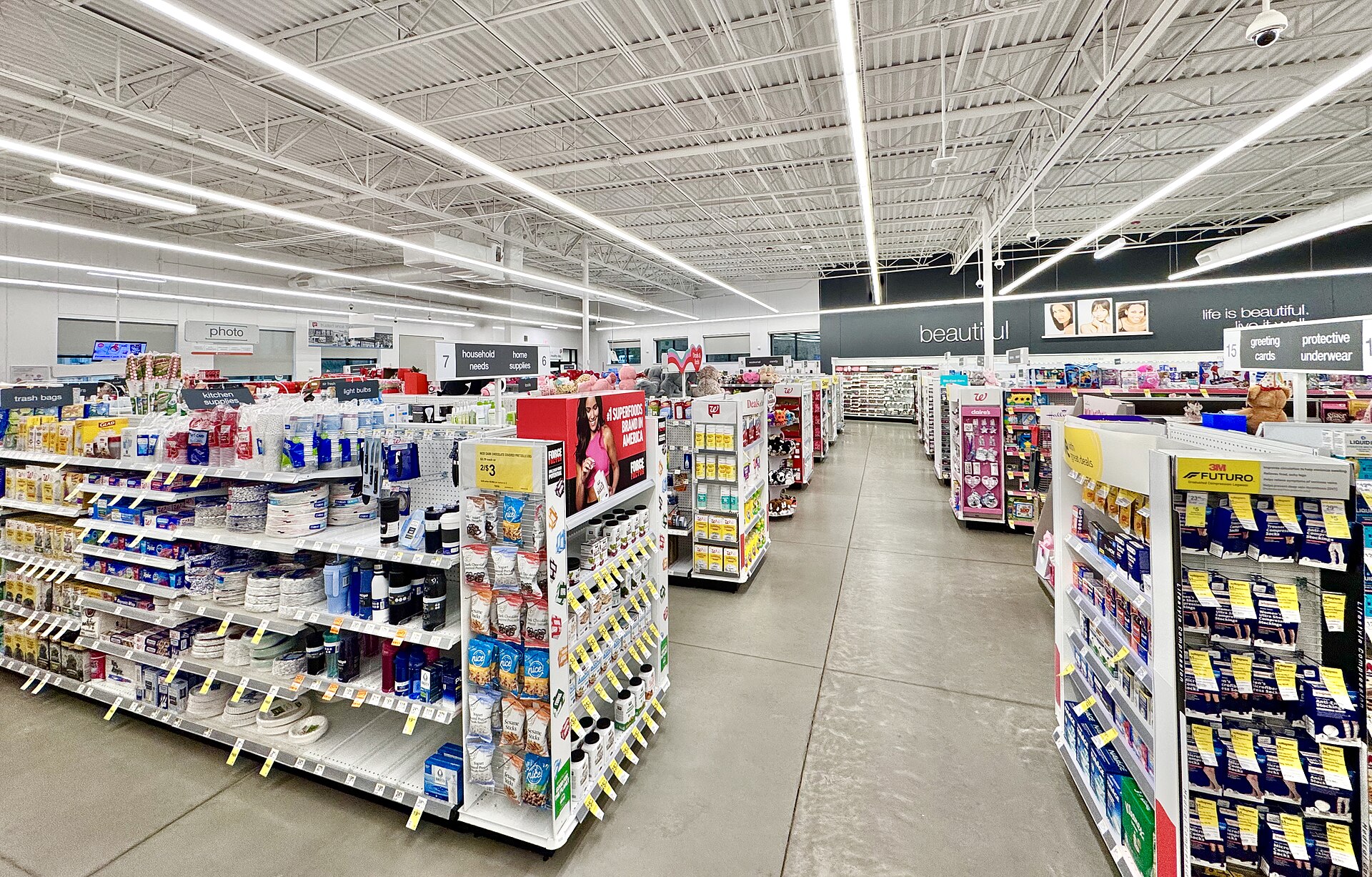
Roughly 320,000 pharmacists practice in the United States, yet retail chains report chronic understaffing at storefront locations where immunizations, prescription verification, and insurance adjudication converge under productivity metrics. Walkout protests at major chains in 2023 and 2024 brought national attention to technician-to-pharmacist ratios, lunch breaks skipped during twelve-hour shifts, and error risks tied to volume pressure.
Retail versus clinical divergence
Hospital and clinic pharmacists generally report better staffing ratios and clinical integration — verifying chemotherapy protocols, managing antimicrobial stewardship, and consulting on inpatient medication regimens. Retail pharmacists at CVS, Walgreens, and grocery chains face different economics: prescription volume drives revenue while front-store sales decline, compressing labor budgets at the exact moment vaccine administration expanded pharmacist responsibilities.
Education pipeline and debt
Pharmacy school enrollment declined after 2010 peak levels as graduates encountered saturated retail markets and six-figure education debt. Doctor of pharmacy programs require four years beyond undergraduate prerequisites — a long runway when starting compensation in stressed retail environments disappoints relative to expectations. Graduates increasingly pursue residency placements and industry roles in pharmacovigilance or medical affairs.
Regulatory and union developments
State boards of pharmacy debated mandatory lunch breaks, technician ratio caps, and immunization workload limits. Organizing efforts among retail pharmacists remain nascent compared to nursing unions but gained momentum following publicized medication error near-misses attributed to understaffing. Mail-order and Amazon pharmacy entry further destabilizes brick-and-mortar economics.
Pharmacist labor stress is a patient safety issue — error rates correlate with prescription volume per staff hour in peer-reviewed pharmacy research.
Outlook
Aging populations increase prescription complexity — polypharmacy management, Medicare Part D navigation, and chronic disease counseling expand pharmacist roles even as retail employers face margin pressure. The profession bifurcates: clinical pharmacists integrated into care teams versus retail pharmacists advocating for enforceable staffing standards.