The 2023 Writers Guild of America and SAG-AFTRA strikes halted scripted production for months, idling an ecosystem of carpenters, caterers, location scouts, and post-production editors alongside headline talent. Settled contracts established minimum staffing in writers' rooms, improved streaming residuals, and AI usage guardrails — yet production volume and employment patterns remain in flux as studios consolidate and streaming profitability pressures intensify.
Below-the-line employment volatility
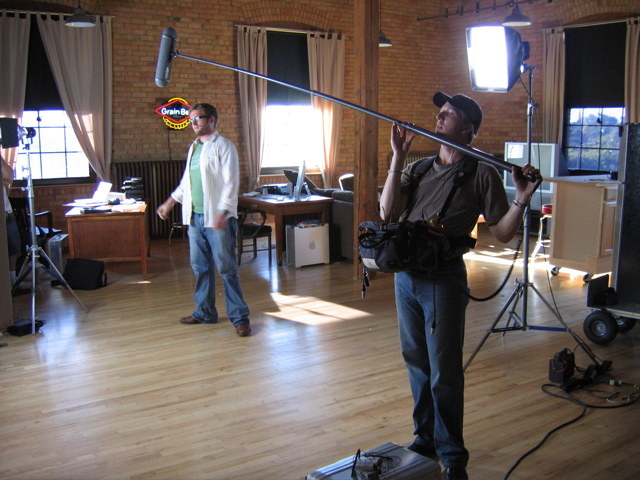
Union crew members — grips, electricians, costumers, hair and makeup artists — depend on project-based employment without the residual income writers and actors negotiated. Production slowdowns in Los Angeles, Atlanta, and Albuquerque ripple through local service economies. Georgia's tax credit attracted substantial filming, but incentive competition from the UK, Canada, and emerging US states fragments where below-the-line workers can sustain careers.
Streaming economics and staffing
Streaming platforms reduced scripted orders as subscriber growth slowed and advertising tiers proliferated. Mini-rooms — smaller writers' groups producing fewer episodes — became industry flashpoints before strikes mandated minimum room sizes for series of certain lengths. Mid-career writers report fewer development deals and shorter employment windows per project.
AI and creative labor
Contract language restricts AI-generated scripts and synthetic performer likenesses without consent and compensation — among the first major union settlements addressing generative AI directly. Studios retain interest in AI-assisted previsualization, dubbing, and background crowd generation, ensuring ongoing negotiation friction between labor protections and production cost reduction.
Entertainment labor markets are project-based gig economies at scale — income volatility is structural even when union contracts improve minimums.
Outlook
Production may partially relocate to incentive-friendly states, but Los Angeles and New York remain talent concentration hubs. Workers entering creative fields face longer apprenticeship periods, portfolio requirements, and supplemental income needs — realities unchanged by strike settlements but sharpened by platform economics.